
A New Chapter for Pascua Yaqui Entrepreneurs
The CET Center of Employment Training on the Pascua Yaqui Tribe is opening its first entrepreneur division. For years, people could obtain a tribal business license, but there was no clear path after that. No system, no structure, and no guidance. This new division is different. It focuses on helping licensed entrepreneurs build businesses that can be found, trusted, and paid.
My First Pascua Yaqui Entrepreneur
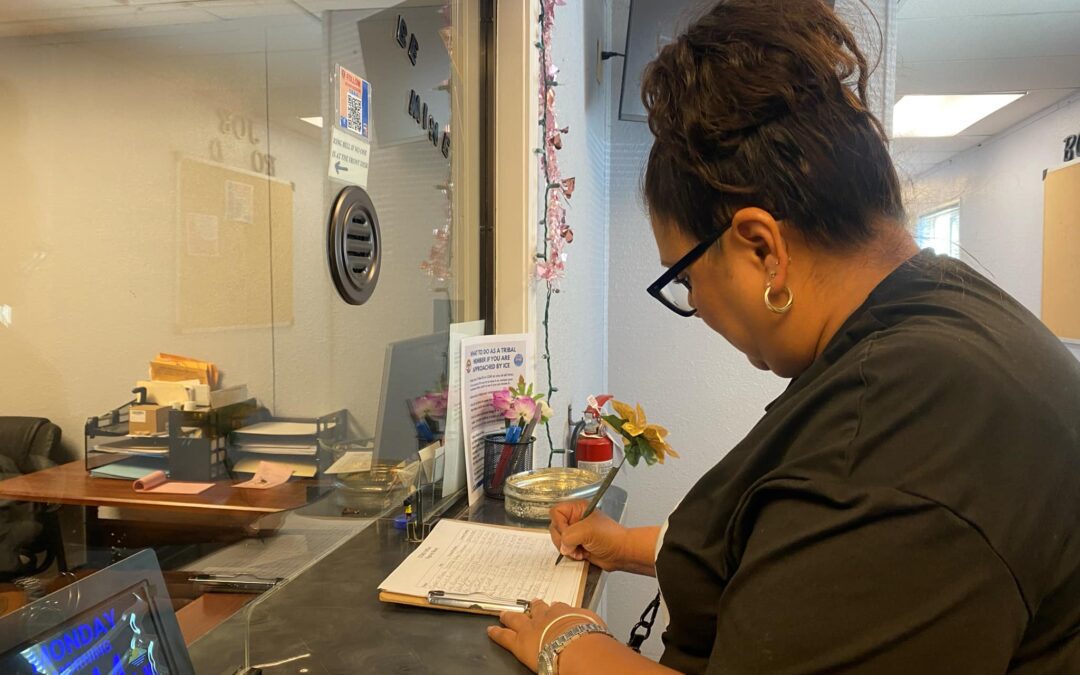
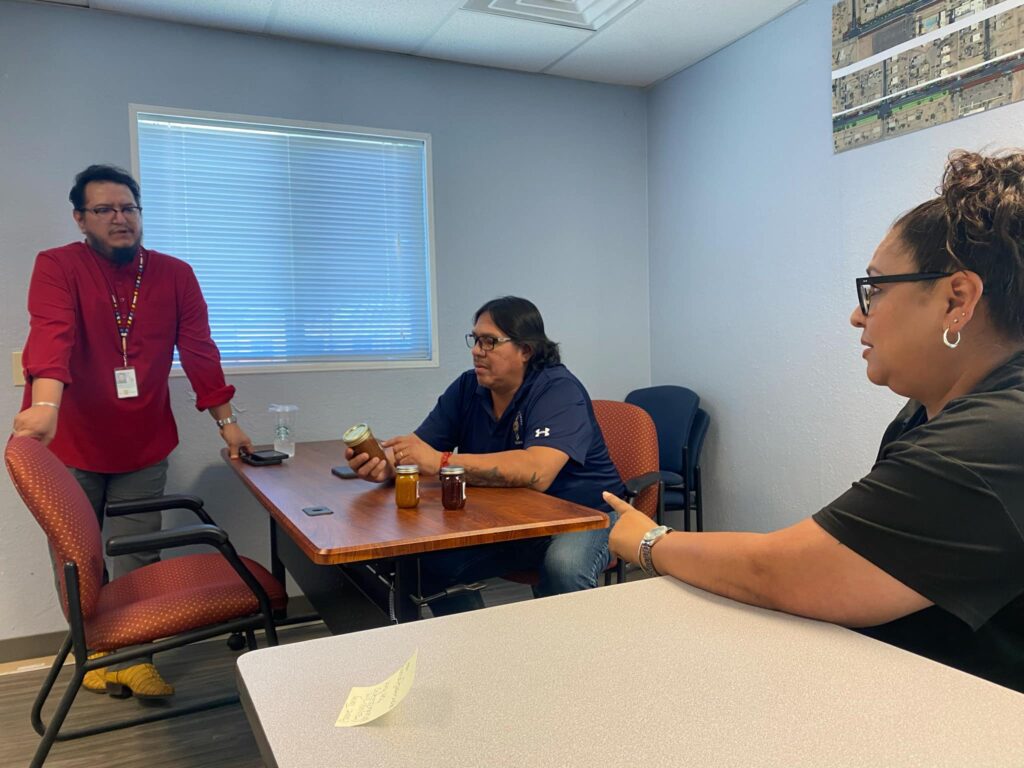
Hi, my name is Grace Tang, and I had the opportunity to work with my first Pascua Yaqui entrepreneur, Becca Buelna. On day one we took action — we went straight to the Tribal Employment Rights Ordinance (TERO) office instead of sitting in a classroom. This is where most people get stuck, so we walked through the process step by step.
Step One: Start With the TERO Office
The first step to doing business on Pascua Yaqui lands is registering with the Tribal Employment Rights Office (TERO). The TERO program enforces Indian preference in employment and contracting and, importantly, processes tribal business licenses.
TERO contact information: Pascua Yaqui TERO office (7474 S. Camino De Oeste, Tucson, AZ 85757, 520‑879‑5669).
At this office you complete an initial registration form. Provide your personal details, the type of business you plan to operate, and a brief description of your services. Bring your state‑issued ID, Social Security number or federal EIN, and any existing business documents. If your business is tribally owned, bring proof of enrollment so the staff can apply the appropriate preferences and fee reductions.
Step Two: Complete the Tribal Business License Application
Once you are registered with TERO you must apply for a tribal business license. This application asks for your business name, contact information, description of products or services, and the location where you will operate. You will also need to choose the appropriate license type based on how long you will be doing business — short‑term (a few days), seasonal, annual, or peddler. Fees vary by license type and may be reduced for Indian‑owned businesses. Bring cash or a money order for the licensing fee.
After submitting your application and fee, the tribal office reviews your paperwork to ensure that your business will benefit the community and comply with tribal law. Approval is required before you start operating. Keep a copy of your approved license on hand during business activities.
Step Three: Specify Where You Will Operate
The Pascua Yaqui Tribe requires you to identify exactly where your business will operate. If you are selling at a tribal event, obtain permission from the event coordinator in addition to your business license. If you are setting up a fixed location, verify that the site is within an area approved for commercial activity. Vendors operating on tribal land without the proper approvals risk being shut down, so clarify your location in the application and with TERO staff.
Step Four: Understand Compliance and What Comes Next
Receiving your TERO registration and tribal business license means you are legally allowed to operate, but it is only the beginning. You must comply with all tribal laws, renew your license when it expires, and maintain good standing with TERO. Getting licensed does not automatically bring customers — it simply allows you to operate. Many entrepreneurs stop here and struggle because they lack visibility and systems.
The Real Problem: No Infrastructure After the License
Most entrepreneurs on the reservation secure their license but never receive further support. Without a website, a Google presence, or marketing systems, they rely solely on word of mouth. That is not a business model; it is survival.
What CET Is Building for Pascua Yaqui Entrepreneurs
The new CET entrepreneur division addresses this gap. In addition to helping you through the licensing process, we provide the tools and guidance to build a business that lasts. Our program helps you set up a professional website, create a Google Business Profile, and develop a basic search‑engine optimization strategy so that customers can find you. We connect you with resources and training through our Native Enterprise Path and Idea Phase programs. Learn more about our Native Enterprise Path and the Finding Your Role workbook.
From License to Visibility and Growth
After your license is approved, the focus shifts to visibility and growth. Our team will help you claim your Google Business Profile, launch a simple website, and identify keywords that match what your customers are searching for. We also introduce you to resources beyond the reservation, such as national procurement and technical assistance programs. For example, the U.S. Small Business Administration’s Office of Native American Affairs offers technical assistance and programs for Native entrepreneurs (see SBA’s ONAA), and the APEX Accelerators network provides procurement readiness support. Learn about APEX Accelerators.
This Is Just the Beginning
Becca is the first, not the last. This is the beginning of building real business infrastructure on the Pascua Yaqui Reservation. Our vision is a movement where entrepreneurs are not just licensed but supported, guided, and equipped to grow.
Start Where You Are
If you have an idea, start the process. If you already have your license and feel stuck, this program was created for you. There is now a clear path forward. Ready to take the next step? Contact us or enroll in our program today.
Frequently Asked Questions: TERO Business License Pascua Yaqui and CET Entrepreneur Division
What is the TERO business license on the Pascua Yaqui Reservation?
The Tribal Employment Rights Ordinance (TERO) is the tribal law that governs employment and contracting on Pascua Yaqui lands. The TERO office processes tribal business licenses and enforces Indian preference in employment and contracting policies.
How do I get a tribal business license?
Register with TERO, then complete the tribal business license application. Provide details about your business, choose the appropriate license type based on how long you will operate, pay the fee, and wait for approval. TERO staff can help you choose the right license and ensure your paperwork is complete.
What does it cost?
Fees vary depending on the license type and are subject to change. Short‑term licenses cost less than annual licenses, and tribally owned businesses may qualify for reduced fees. Contact the TERO office for current rates.
Is getting a license enough to build a business?
A license allows you to operate legally, but it does not create customers or revenue. To build a sustainable business you need visibility, marketing systems, and a plan. That is why the CET entrepreneur division focuses on website development, search‑engine optimization, and business education.
Where can I find additional support?
In addition to CET’s programs, organizations such as the U.S. Small Business Administration and APEX Accelerators offer training, mentoring, and procurement assistance for Native‑owned businesses.